
Circular value
From scrap to resource
A plain-language look at how industrial scrap can keep its value and return to productive use.
- Step 01
Factory produces product
Manufacturing creates the components and goods the region is known for.
- Step 02
Offcuts, borings & surplus generated
Every process leaves by-products: chips, offcuts, rejects and obsolete stock.
- Step 03
Material collected
Scrap is collected, weighed and documented.
- Step 04
Sorted by grade
Metals are separated by type and grade so each can go to the right channel.
- Step 05
Processed by recovery operations
Appropriate recyclers and processors shred, bale, clean or melt the material.
- Step 06
Secondary material produced
Ingots, billets and remelted alloys become new inputs.
- Step 07
Used again in manufacturing
The material re-enters a product — and the loop continues.
Circular economy, simply
Keeping materials in use
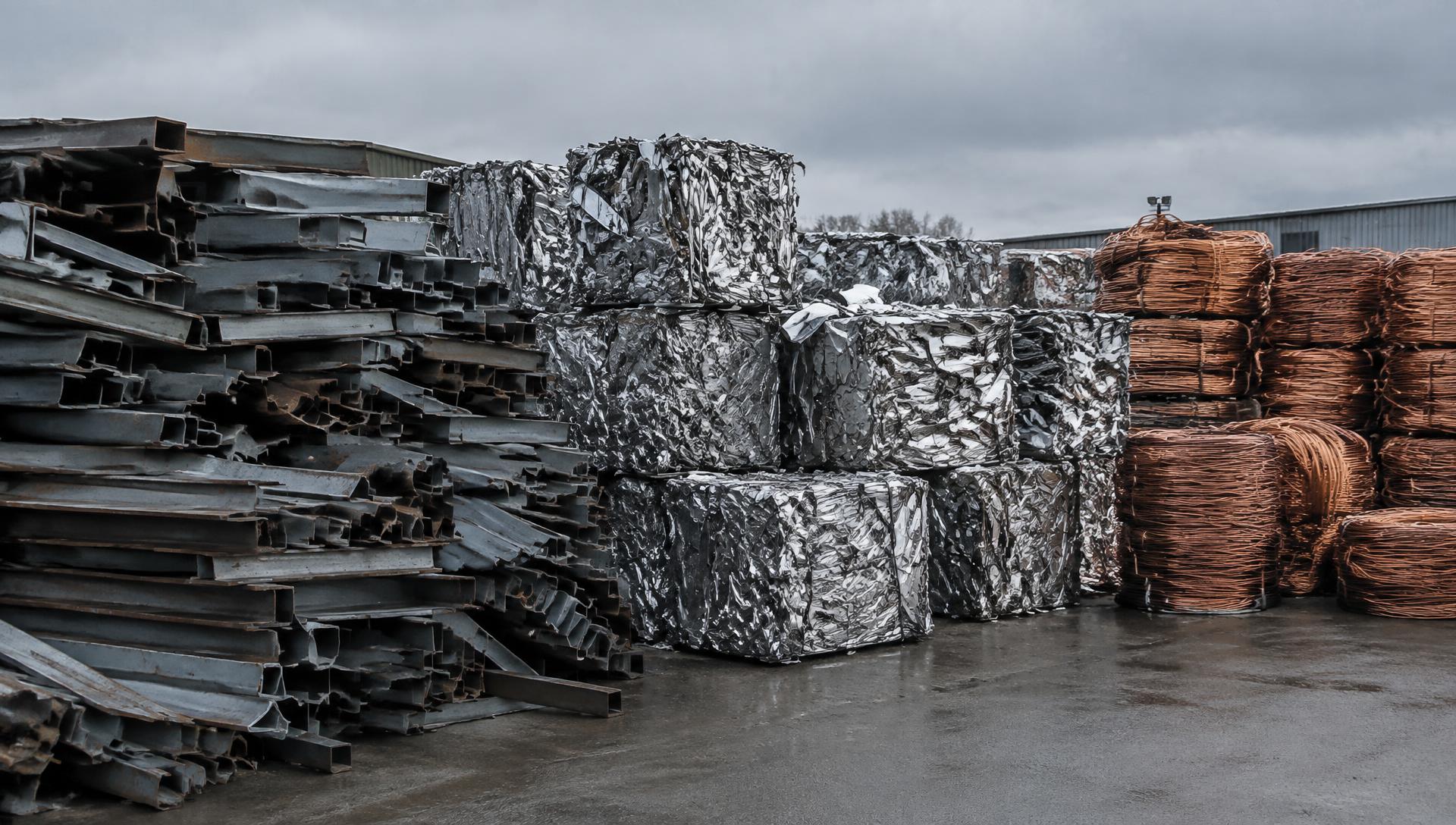
A circular approach means keeping materials in productive use for as long as possible. Metals are particularly well suited: steel, aluminium and copper can generally be recovered and reused when properly segregated.
For a manufacturer, this is less about slogans and more about practice — keeping scrap clean and separated, working with partners who direct it to appropriate channels, and maintaining records.
Scrapo Hosur's role is to connect locally generated scrap with downstream buyers and recovery channels. We do not claim to operate recycling plants ourselves unless confirmed.
Read related insights →For scrap sellers
Have industrial scrap?
Tell us what you have, approximate quantity and pickup location.
For material buyers
Need industrial material?
Tell us the material, grade, quantity and delivery location you need.