Follow recoverable metal from a production line, through segregation and recovery, into secondary raw material.
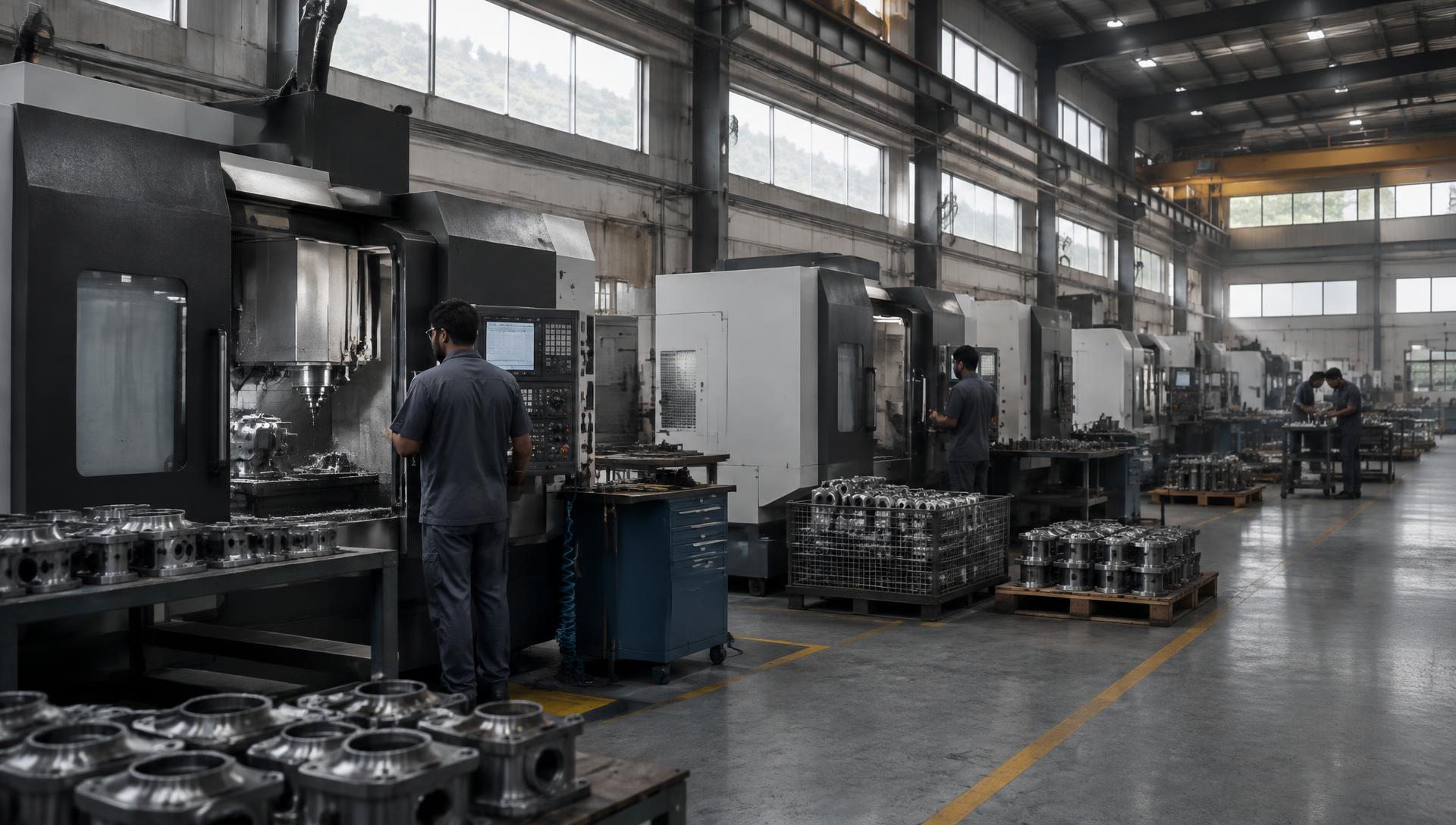
When a machining line in Hosur produces a bin of steel borings, that bin is not the end of the material's story. With the right handling, the same metal can become feedstock for another manufacturer — often within the same region.
Stage 1: Generation
Every manufacturing process creates by-products: offcuts from sheet cutting, turnings from CNC machines, rejected castings, obsolete fixtures. The value of these streams depends heavily on what happens in the next few hours and days.
Stage 2: Segregation at source
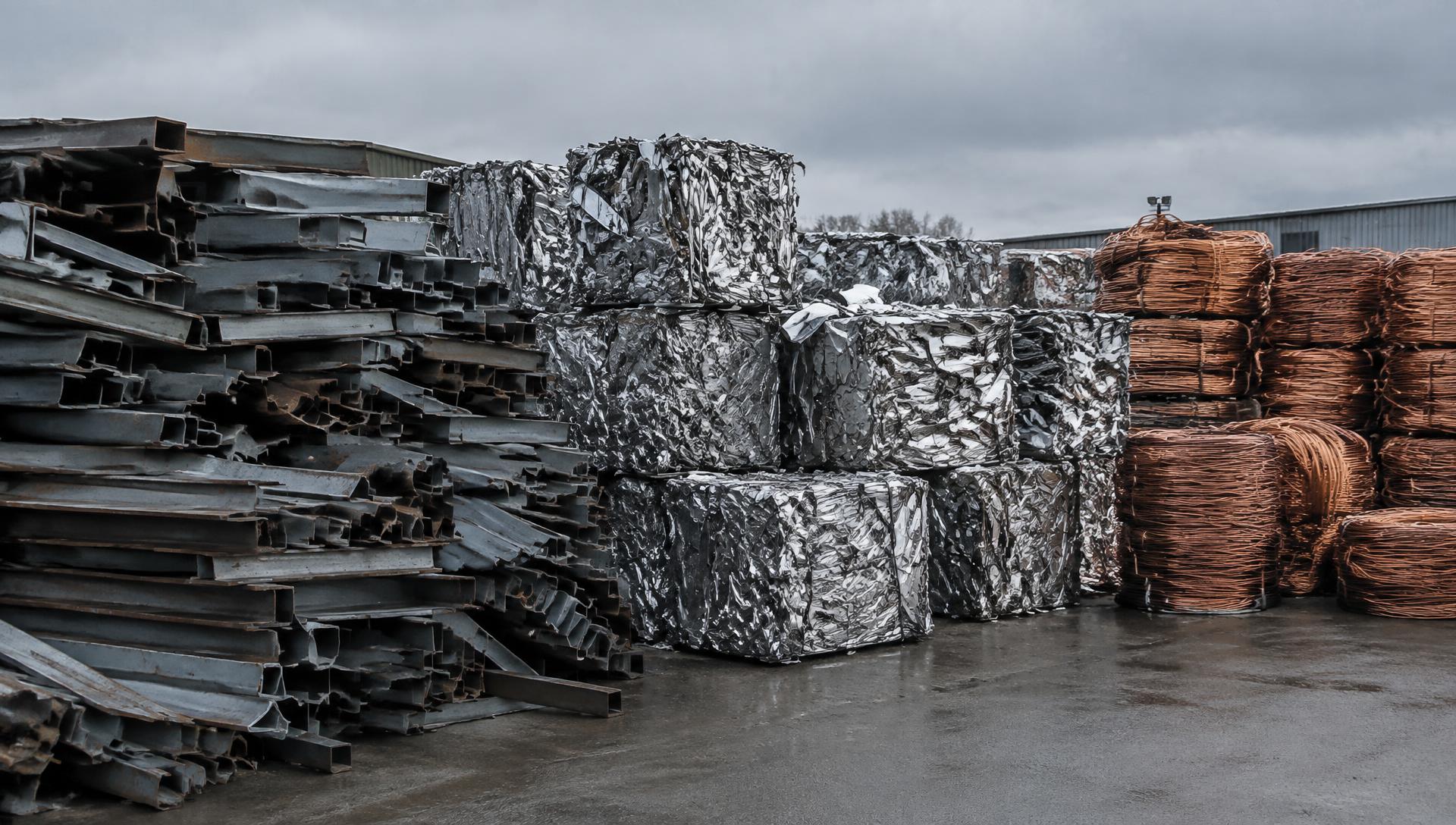
Material that is kept separated by type and grade — aluminium away from steel, copper away from brass, clean borings away from oily mixed chips — retains more of its value and is easier to direct to the right recovery channel.
Stage 3: Collection and weighing
A scrap partner collects the material, weighs it under an agreed process and documents the transaction. Transparent weighing is the foundation of a durable commercial relationship.
Stage 4: Recovery and processing
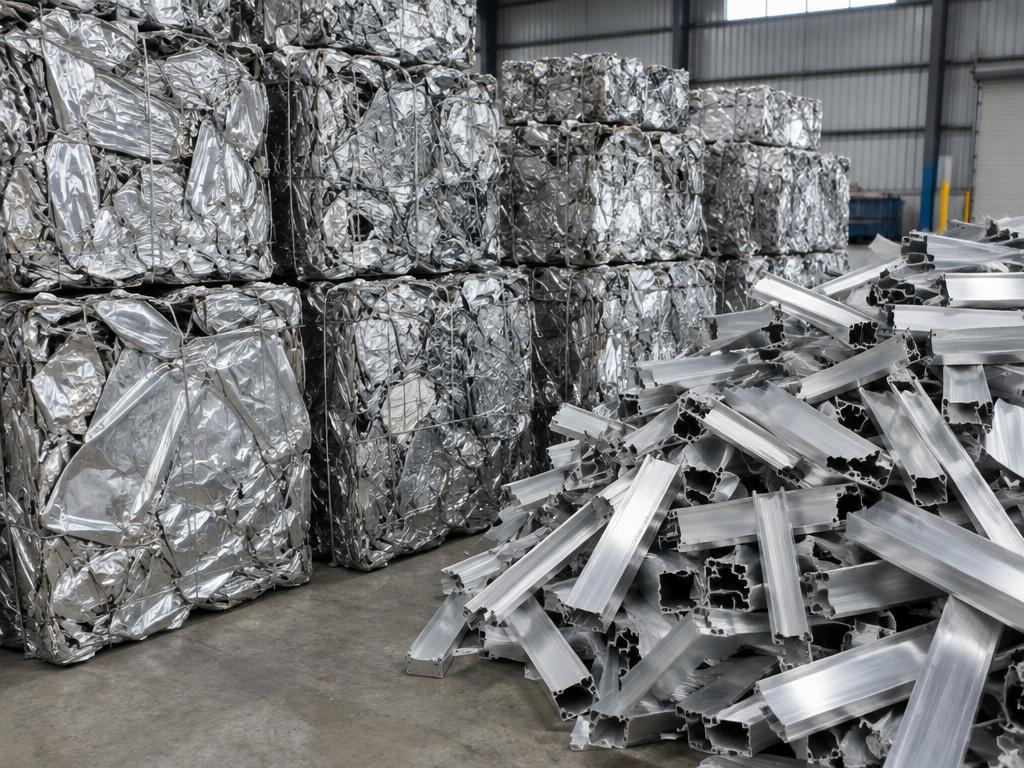
Downstream, specialist recyclers and processors sort, clean, shred, bale or melt the material. Steel scrap typically feeds electric arc or induction furnaces; aluminium goes to secondary smelters.
Stage 5: Secondary raw material
The output — ingots, billets, remelted alloy — is purchased by manufacturers as an input. The loop closes when that material re-enters a product.
Where a local partner fits
Scrapo Hosur works at the connection points: helping businesses identify and segregate material, coordinating collection, and channelling it toward appropriate downstream buyers and recovery channels.
Have scrap like this at your site?
Sell Your Scrap