The difference matters for segregation, handling and value. Here's a plain-language breakdown.
Industrial scrap is broadly split into two families. Understanding the difference helps you segregate correctly and have more productive conversations with buyers.
Ferrous scrap
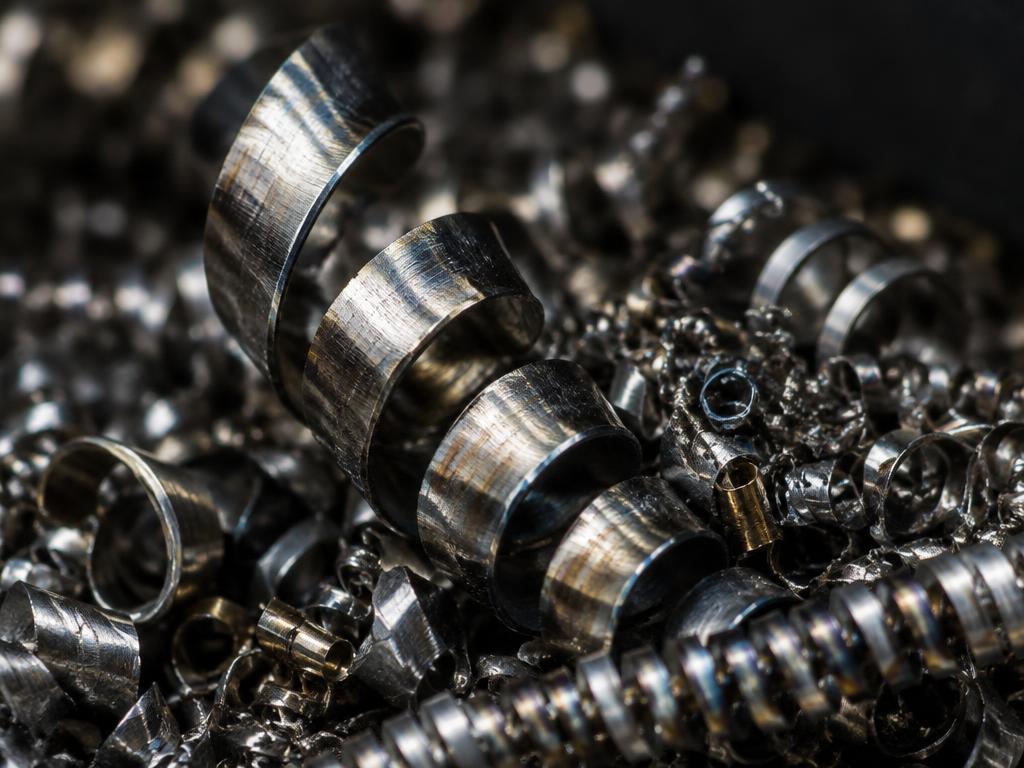
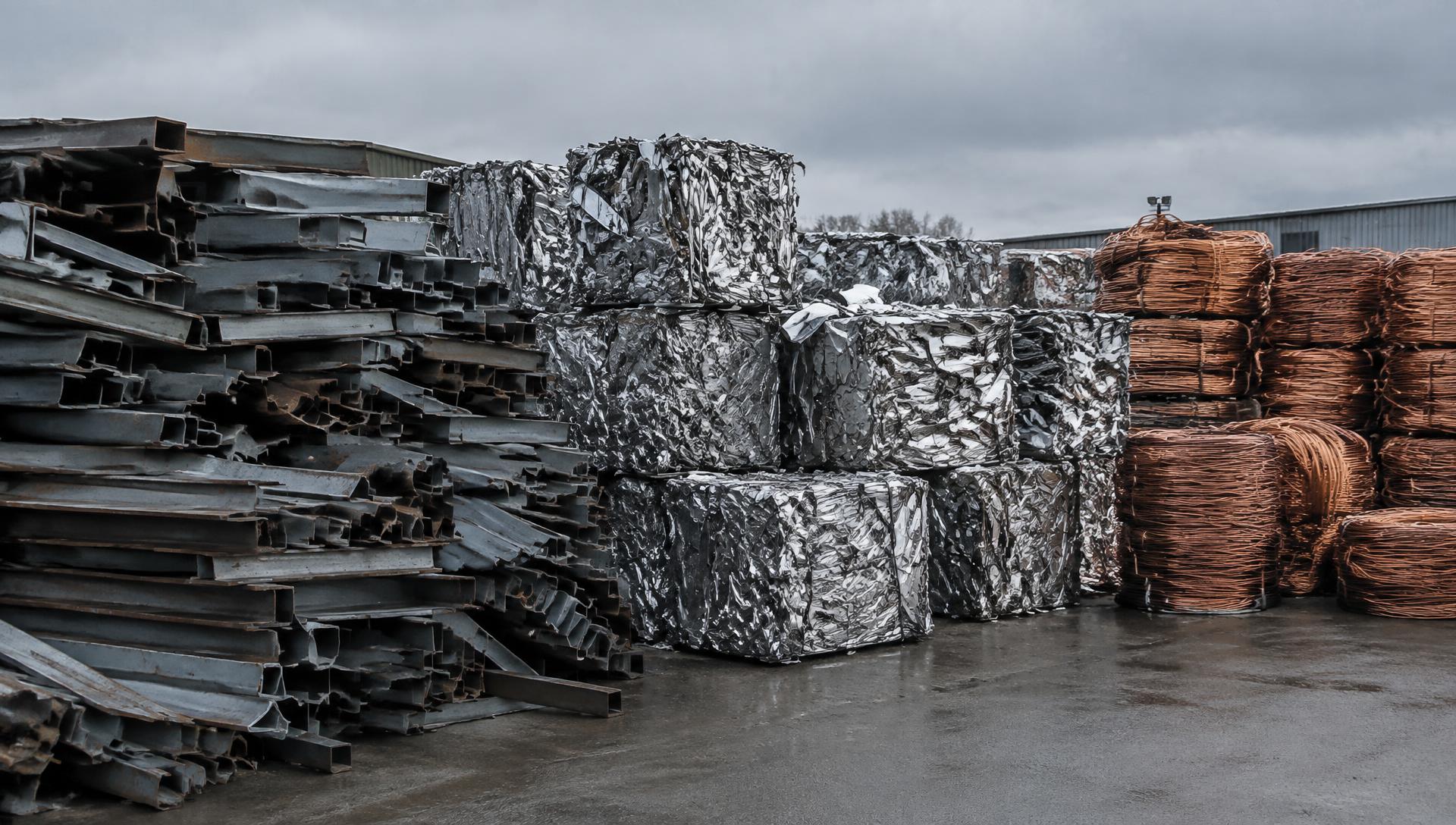
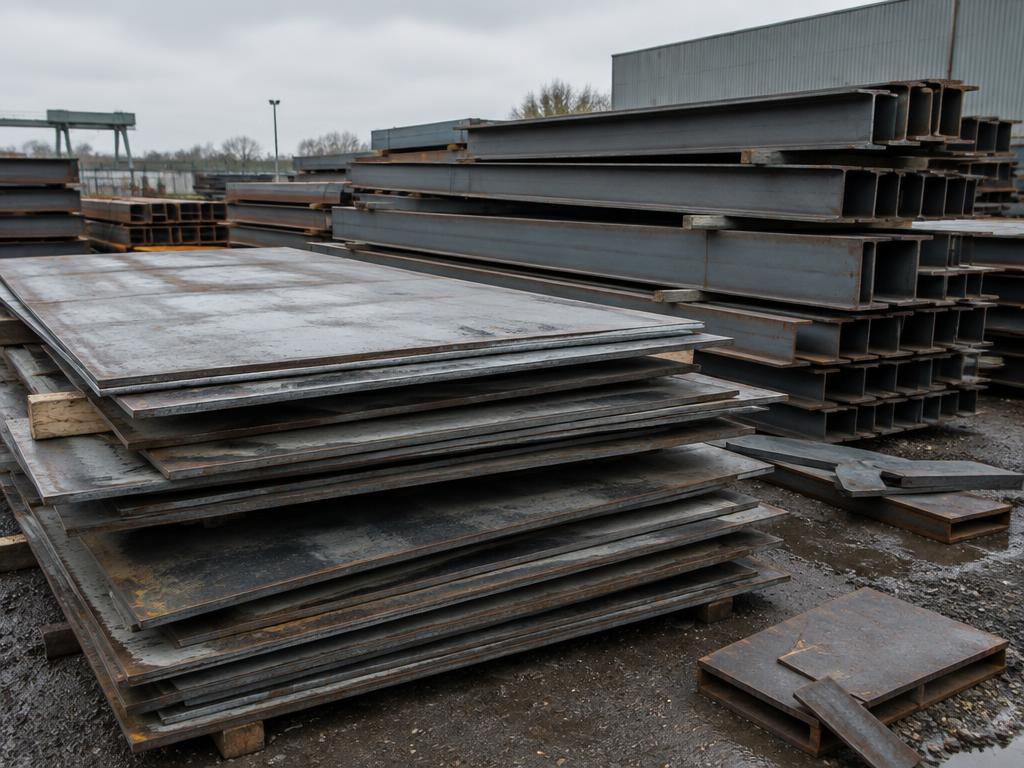
Ferrous metals contain iron. They are magnetic (with some stainless exceptions) and include MS, cast iron, structural steel and borings. Ferrous scrap is typically generated in large volumes.
Non-ferrous scrap
Non-ferrous metals — aluminium, copper, brass, and most stainless grades — contain little or no iron. They generally carry higher value per kilogram and are more sensitive to contamination.
A quick magnet test
A magnet sticks to most ferrous metals and not to aluminium, copper or brass. It is a simple first step when sorting mixed material.
Why it matters
- Mixing non-ferrous into ferrous lots can reduce what you recover
- Different metals go to different recovery channels
- Clean segregation simplifies weighing and documentation
Have scrap like this at your site?
Sell Your Scrap